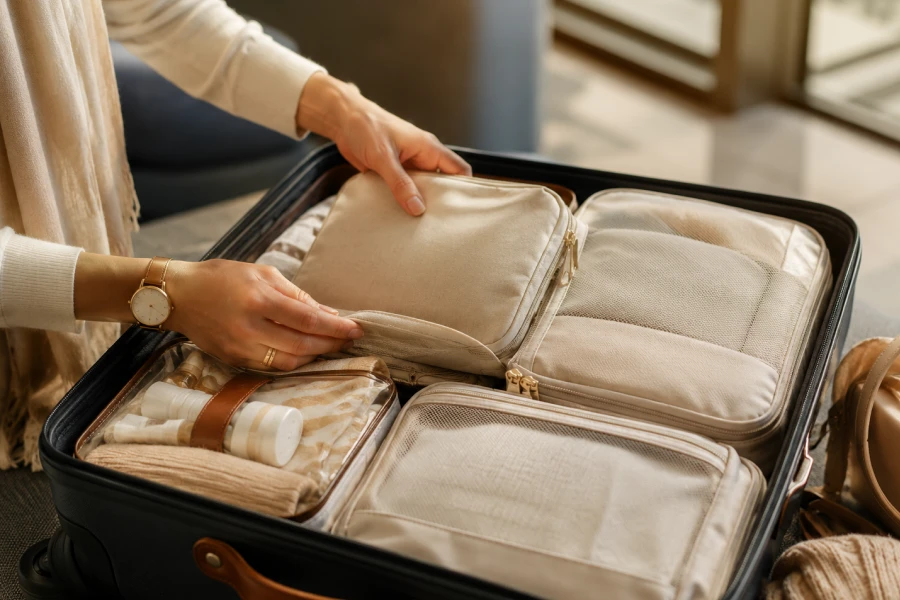
Smart packing gear helps travelers move with less friction through airports, hotels, train stations, and unfamiliar streets. The right items do not just organize a bag. They shape the whole travel experience. When essentials stay easy to reach, transitions become smoother. When clothing, tech, documents, and toiletries have clear places, your luggage feels easier to manage. This matters during long travel days, when energy is limited and small delays feel bigger. Good gear supports calm movement. It turns packing from a stressful task into a practical travel advantage.
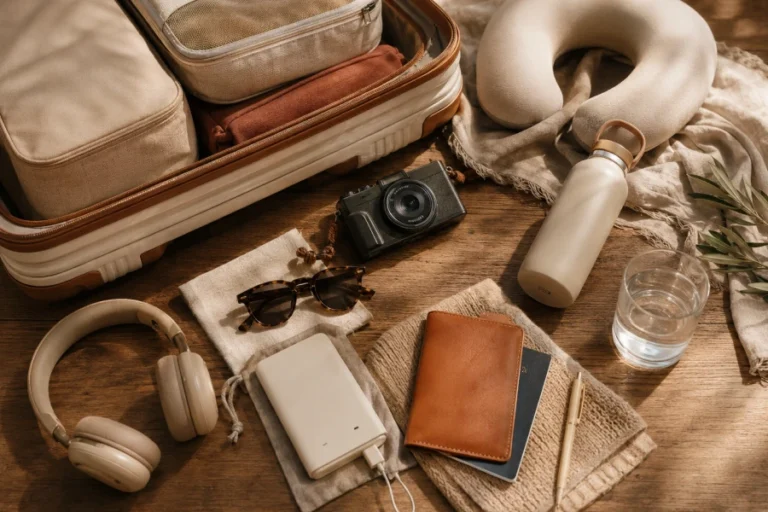
Smart packing gear works best when it makes important items easier to find. Security documents, chargers, medication, toiletries, and headphones should not disappear under layers of clothing. Use pouches, cubes, and compartments to create clear zones. A practical organized travel gear setup supports fast access without constant repacking. This matters in real travel moments. You may need a cable at the gate. You may need medicine mid-flight. Organization becomes valuable when timing feels tight.
Some travelers roll clothes. Others fold outfits together. Some prefer one-bag travel. Others check luggage and keep a prepared personal item. Your gear should support your method, not force an unnatural routine. A useful packing tools for travel system helps you choose items that match your habits. This prevents buying organizers that look good but feel awkward. The best gear disappears into your process. It makes packing clearer without demanding extra effort every time.
Smart packing gear protects energy by reducing repeated decisions. You know where your passport lives. You know where your adapter sits. You know which pouch holds toiletries and which cube holds clean clothes. That familiarity helps when you are tired, rushed, or changing locations often. It also makes hotel checkout easier. Instead of scanning the room with anxiety, you return items to known places. Small systems create big relief. Travel becomes less mentally noisy when your belongings have structure.
Quality matters, but more gear does not always mean better travel. Choose durable items that solve frequent problems. Avoid buying a full set when one or two pieces will do. A thoughtful travel accessories planning method keeps your choices focused. Look for lightweight materials, secure closures, easy cleaning, and flexible sizing. If an item only works in one rare situation, it may not deserve space. Good packing gear should earn trust across many trips.
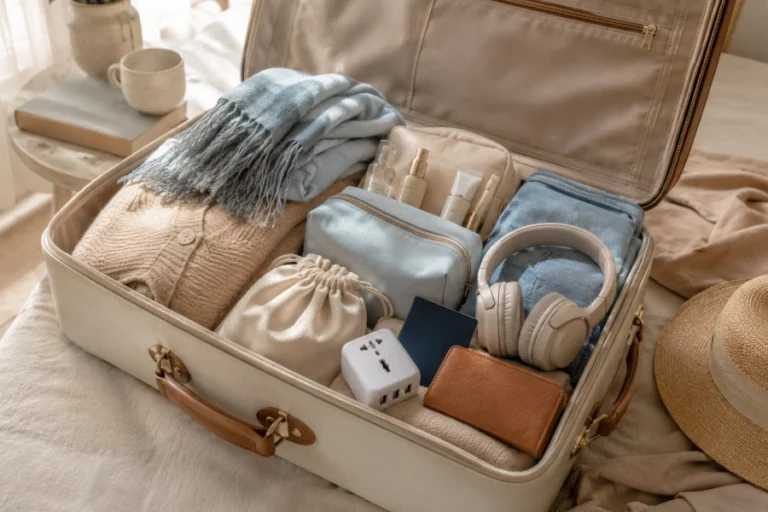
Smart packing gear becomes most useful when you divide it by category. Clothing cubes prevent suitcase chaos. Tech pouches protect cables and adapters. Toiletry bags contain leaks and speed up bathroom setup. Slim document holders keep reservations and copies together. Each category supports a different travel need. Together, they create a bag that functions like a system. You spend less time searching and more time moving. That sense of order is especially helpful on multi-stop trips, where unpacking fully is not always practical.
Minimal gear can outperform elaborate systems when your trip is simple. A weekend away may only need one pouch, one packing cube, and a reliable charger. Over-organization can become its own kind of clutter. The right approach depends on trip length, luggage type, and how often you change locations. Choose enough structure to stay organized, then stop. Travel gets easier when your gear supports decisions instead of creating more of them. Simplicity is often the most underrated travel tool.
Smart packing gear improves with use because you learn what truly helps. After each trip, notice what you reached for often. Notice what stayed untouched. Remove items that added bulk without value. Keep the pieces that made movement easier. Over time, your travel setup becomes more efficient and personal. It reflects your routes, habits, and comfort needs. That repeatable advantage makes every future trip easier to prepare. Your bag stops feeling like a puzzle and starts feeling like a reliable travel partner.


Leave a comment